Why Some Wellness Programs Get Better Every Year

Participation gets peak attention when organizations first launch a wellness program. But over time, the engagement naturally dips, usually 12-18 months.
Our most successful clients are looking beyond just engagement. They are looking at how wellness is influencing culture, safety, retention and how employees support one another. Our work with Ziegler/CAT construction equipment is a strong example.
If you looked only at the data, you'd find plenty of measurable progress. The company introduced a structured stretching program that contributed to a 7% reduction in recordable injuries during the first year at participating sites. Wellness initiatives became integrated with safety teams, onsite biometric screenings, tobacco cessation resources, and injury prevention efforts. Champion networks helped keep momentum moving throughout the organization, and employees were supported with ongoing education around blood pressure, diabetes, hydration, and preventive care.
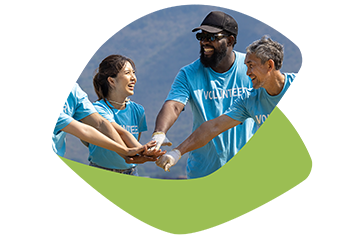
Those are meaningful outcomes, but they aren't the most interesting part of the story. For more than ten years, employees from Ziegler's Shakopee location have volunteered together each month with Loaves & Fishes, a local charity organization whose mission is to prepare healthy meals for their community. In one recent November alone, they prepared 175 meals. No one would call that a wellness activity, yet it reflects exactly what mature wellness programs see as total wellbeing. Giving back is a key piece of our identity, and the ripple effect is immeasurable. Over time, organizations build stronger relationships, greater purpose, more collaboration, and a culture where employees naturally support one another. Wellness expands beyond physical and mental health because people begin thinking differently about what it means to care for themselves, their coworkers, and their community.
That transformation doesn't happen because of a single challenge, newsletter, or incentive. It happens because wellness becomes part of the cultural values of the organization. We see that pattern repeatedly across our tenured clients. The strongest programs aren't necessarily the ones with the biggest budgets or the newest technology. They are the organizations willing to build patiently, improve continuously, and view employee wellbeing as an ongoing business strategy instead of an annual initiative. They see the long-term benefits of taking care of employees.
That's why so many of our client relationships span years rather than months— because we're helping organizations build something that gets stronger with time and takes on a momentum of its own. Like trust, leadership, and culture, the value of wellness compounds.
let us help
See how we can bring your wellness program to the next level with Wellness Program Management.